How to Hurricane-Proof Your Home in South Florida Before Storm Season
Quick answer: To hurricane-proof your home in South Florida, protect openings first (impact windows, impact doors, garage door reinforcement), then reduce water entry (seals, drainage), and finish with a 72-hour outage plan. If you live in Miami-Dade or Broward, choose products that meet HVHZ requirements and confirm permits.

Hurricane preparation that works in South Florida
Hurricane preparation in South Florida is not a once-a-year chore. It is a home system you build over time.
Storms in our region bring wind, flying debris, and wind-driven rain that can damage homes far inland. This guide covers upgrades, cost ranges, HVHZ code notes, and a checklist you can use before storm season.
How to hurricane-proof your home: Step-by-step plan for South Florida
Hurricane proofing means you strengthen your home so wind and debris do not breach openings and water does not enter during wind-driven rain.
1) List your weakest points first
You should walk around your home and list every opening. You should also check the roof edge and soffits.
Your list should include:
- Front door and back door
- Sliding glass doors
- Every window
- Garage door
- Skylights or other glass
2) Protect windows and glass doors
Older windows often fail when debris hits glass. You should use impact-rated windows or a proven shutter system.
You should avoid quick fixes like window tape. It does not prevent shattering.
If you want year-round protection, start with impact windows (internal link).
3) Reinforce exterior doors and sliding doors
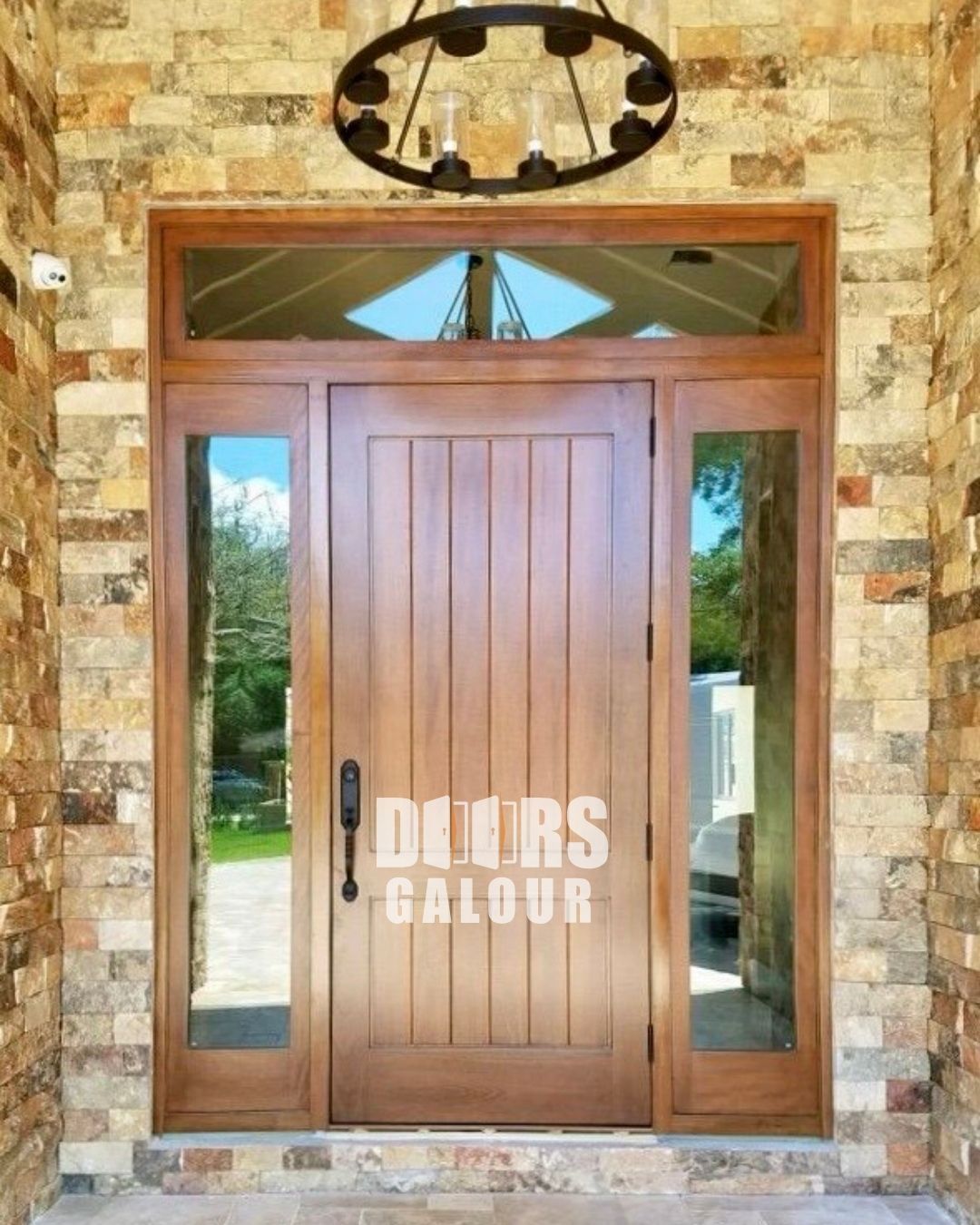
A hurricane-rated door needs a strong slab, frame, hinges, lockset, and correct anchoring. The installation matters as much as the product.
If your entry or patio door includes glass, the glass needs hurricane-rated protection too.
If you want to compare door types, review our impact doors options (internal link).
4) Do not ignore the garage door
The garage door is often the largest opening in the home. A failure can change interior pressure and increase roof damage risk.
You should confirm your garage door has a wind rating that matches local requirements. You should use approved reinforcement if your door model supports it.
5) Reduce water entry and manage drainage
Wind-driven rain enters through small gaps around frames, thresholds, and wall penetrations. You should seal and maintain these points.
You should also prepare for drainage issues:
- Clear gutters and downspouts
- Clear yard drains and street drains near your home
- Grade soil away from the foundation
- Store sandbags before storm season
6) Prepare for power loss and cleanup
You should plan for at least 72 hours without power. You should keep your essentials in one place.
Your kit should include:
- Water and shelf-stable food
- Flashlights and batteries
- First aid supplies
- Phone chargers and power banks
- Copies of insurance documents
- Basic tools and heavy trash bags
Key factors that affect hurricane-proofing cost in South Florida
South Florida homes face high wind pressures and debris risk, especially in coastal and open-exposure areas.
Hurricane Andrew caused about $27 billion in damage (1992 dollars), and the region tightened building standards after that.
Hurricane proofing is not one project. It is a set of upgrades that you can phase over time.
Impact windows cost range
Homeowners often use these ranges for early budgeting:
- Single-hung impact window: $800–$1,400 installed
- Typical 3-bedroom home (10–15 windows): $10,000–$25,000
- HVHZ and large openings can push totals higher
Impact doors cost range
Homeowners often use these ranges for early budgeting:
- Single entry impact door: $2,000–$3,500+ installed
- Double entry impact doors: $3,500–$5,500+ installed
- Sliding glass impact doors: $2,500–$6,000+ installed
Shutters and panels (common alternative)
Shutters can work well when they are installed early and fit your openings correctly. Pricing often varies by type and opening size.
Many homeowners see accordion and roll-down shutters priced around $30–$50 per sq. ft. for planning.
Local relevance: HVHZ, permits, and insurance
This matters in Miami-Dade, Broward, Palm Beach, and nearby coastal areas where wind pressure and debris risk are higher.
Miami-Dade and Broward fall under the High-Velocity Hurricane Zone (HVHZ) sections of the Florida Building Code. HVHZ rules often require stricter product approvals and installation standards.
You should look for:
- Florida Product Approval or Miami-Dade NOA documentation
- Ratings that match your opening size and exposure
- Proper permits and inspections for replacement work
Insurance can also play a role. Florida insurers must provide information about premium discounts for hurricane loss mitigation, and a wind mitigation inspection can help document eligible features.
The best order to hurricane-proof your home
You should start with the items that prevent breach and reduce major loss.
- Windows and glass doors
- Entry doors and frames
- Garage door rating or reinforcement
- Roof edge and attachments
- Sealing and drainage
- Power outage preparation
What fails most during hurricanes in South Florida
Some failures repeat every season.
- Garage doors that are not wind-rated
- Older sliders and decorative glass doors
- Weak door frames and poor anchoring
- Wind-driven rain entering through small gaps
Common mistakes homeowners make
These mistakes increase damage risk and stress before a storm.
- Waiting until the last minute to install shutters
- Ignoring the garage door because it looks strong
- Replacing a door but keeping an old frame or weak anchoring
- Skipping permit checks in HVHZ areas
- Assuming tape prevents window failure

How to hurricane-proof your home in Florida: Impact windows vs. shutters
Impact windows protect glass year-round.
You do not need a last-minute installation.
Shutters can be effective, but they depend on time, storage, and a consistent routine.
Impact windows are often a better fit if:
- You travel often
- You want protection that works even when you are not home
- You want a clean look year-round
- You want a long-term upgrade you can keep on the home
Shutters can be a good fit if:
- You want a lower upfront cost
- You have a clear routine for installing them
- Your HOA supports the style you want
How to hurricane-proof a house: Impact doors vs. standard doors
Standard doors often fail at the edges. The frame, hinges, and seals can shift under pressure.
Impact-rated doors focus on the full system. A proper install helps the door resist pressure, impact, and water intrusion.
A hurricane-rated door system often includes:
- Reinforced frames
- Strong hardware
- Tested glass, when glass is present
- Correct anchoring and sealing
Actionable tips: Hurricane-proofing checklist
You can use this checklist to plan upgrades in the right order.
High impact, do-first items
- Replace or protect any non-rated windows and glass doors
- Upgrade exterior doors to impact-rated units
- Verify garage door wind rating or add approved reinforcement
- Ask a licensed pro to review roof-to-wall connections
- Seal gaps at frames, thresholds, and wall penetrations
Storm-week preparation items
- Bring in patio furniture and secure loose yard items
- Clear gutters, drains, and downspouts
- Charge power banks and test flashlights
- Photograph your home and valuables for claims documentation
- Confirm your evacuation zone and plan
Insurance and documentation
- Schedule a wind mitigation inspection if you have upgrades
- Save permits, invoices, and product approval documents
- Ask your agent what mitigation credits apply
Why choose Doors Galour to help hurricane-proof your home?
At Doors Galour, we help South Florida homeowners choose hurricane-rated doors and windows that fit local requirements. We verify the details that matter, and we keep the process clear.
We have 45+ years of local experience in this market, and we have seen what fails when storms hit. We use that experience to help you choose the right level of protection for your home and your budget.
When you work with us, we can help you verify:
- Product approvals for your opening type
- Proper installation method for your home
Final thoughts: Build a plan you can follow
A hurricane-ready home does not rely on last-minute panic. You want protection that works even when you are busy, tired, or out of town.
You should start with windows, doors, and the garage. You should then reduce water entry and prepare for outages.
If you want a clear plan and a clean install,
contact us today!
FAQs
Do I need hurricane shutters if I have impact windows?
You may not need shutters if your impact windows and doors meet local requirements and your openings are fully protected. Some homeowners still add shutters for extra protection or comfort.
What is HVHZ, and how do I know if my home is in it?
HVHZ is a stricter building code zone in Florida. Miami-Dade and Broward are in HVHZ, and some nearby areas follow similar standards.
How much does it cost to hurricane-proof a house in South Florida?
Costs vary by opening size, product type, and installation needs. Many homeowners budget $10,000–$25,000 for impact windows on a mid-size home, plus doors and garage upgrades.
Are impact windows required in South Florida?
Requirements depend on location, permitting, and the scope of work. Many projects in HVHZ areas must meet stricter product and installation standards.
Do hurricane upgrades reduce insurance costs in Florida?
They can. Florida insurers must provide information about premium discounts for hurricane loss mitigation, and inspections can help document eligible features.
60,000+
installations completed
4.2
our average rating
45+ years
on the market